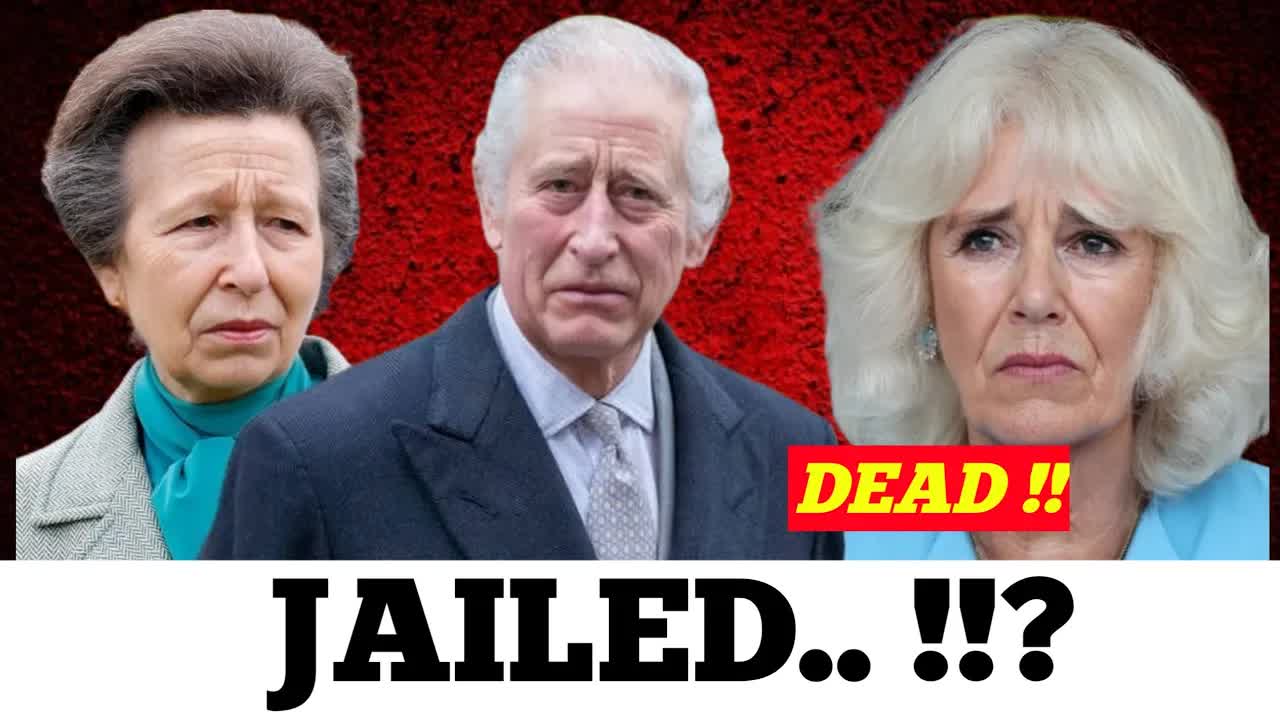
In an unprecedented public display of dissent, Princess Anne has openly criticized her brother, King Charles, for supporting Queen Camilla‘s contentious choice to auction off a number of Queen Elizabeth II’s cherished horses.
The late monarch’s legacy, particularly her deep affection for horses, has become the focal point of a heated rift within the royal family.
Anne’s frustration reached a boiling point during a recent confrontation with Charles, where she accused him of betraying their mother’s memory.
Sources close to Anne reveal that she feels profoundly hurt by Charles’s decision to back Camilla’s move, which she deems not only misguided but disgraceful.
“Do you not see how this tears apart the values and legacy she built for this family?”
Anne reportedly challenged her brother, emphasizing the emotional weight these animals carried as part of their mother’s identity.
The controversy erupted after it was disclosed that Camilla planned to sell over a dozen horses that were personally bred and cared for by Queen Elizabeth herself.
To Anne, these horses represent more than mere livestock; they embody the essence of their mother’s reign and the traditions she upheld.
This perspective has resonated with many royal supporters, who have taken to social media to express their disapproval of Camilla’s actions.
In a bid to defend his position, King Charles acknowledged Anne’s emotions but insisted on the need for practicality.
He remarked, “Camilla’s legacy isn’t defined by material symbols.”
His response, however, seemed to fall flat, as critics argue that such practicality overlooks the sentimental value these horses hold for both the family and the public.
While Camilla maintains that the sale is a necessary step due to rising maintenance costs and logistical challenges, many view this rationale as tone-deaf.
The late Queen was known for her passion for equestrian pursuits, having developed a remarkable expertise in breeding and caring for horses throughout her life.
Thus, the auction has ignited fierce debate over whether selling these animals undermines the monarchy’s connection to its heritage.
The timing of the sale, occurring so soon after the Queen’s passing, has further intensified public backlash.
Critics have labeled the decision as cold-hearted and insensitive, suggesting that it reflects deeper familial tensions.
Speculation abounds regarding Camilla’s feelings of being overlooked in the distribution of the late Queen’s assets, particularly her jewelry collection, which was reportedly left primarily to Princess Catherine.
Amidst this turmoil, Anne has emerged as a vocal defender of her mother’s legacy, earning widespread support online.
Hashtags like #StandWithAnne and #ProtectTheQueen’sLegacy have trended as fans of the monarchy rally behind her stance.
Many commentators have praised Anne for standing firm against what they perceive as an erosion of royal values.
Despite the escalating tensions, insiders suggest that the royal family is actively seeking a resolution.
Conversations are reportedly ongoing, with a palace aide noting the emotional stakes involved.
“They all share a commitment to preserving the Queen’s legacy in their own ways,” the aide shared, hinting at potential compromises that may arise from these discussions.
As the family navigates these choppy waters, the legacy of Queen Elizabeth II looms large, evoking strong emotions among both royals and the public alike.
The ongoing debate not only highlights divisions within the family but also underscores the lasting impact of the late monarch’s life on the institution.
Royal watchers speculate that this moment of crisis could ultimately serve as a catalyst for unity within the family.
While tensions remain high, there is hope that the royals will find a way to bridge their differences and honor their mother’s memory collectively.
Proposals have emerged, including the creation of a public exhibit celebrating the Queen’s equestrian achievements, which could serve as a compromise between tradition and modernity.
However, the road ahead is fraught with challenges.
King Charles finds himself in a precarious position, attempting to balance his sister’s passionate defense of tradition with his wife’s push for modernization.
The decisions made in the coming weeks will be pivotal, shaping not only the monarchy’s future but also public perception of its unity.
As the royal family grapples with these issues, the world watches closely, eager to see how they will navigate this emotional chapter in their storied history.
The outcome of these discussions will undoubtedly define the monarchy’s ability to reconcile its rich traditions with the practicalities of modern governance.