On a chilly February afternoon in Montecito, California, Meghan Markle found herself pacing nervously in her stylish office.
The sun sparkled off the Pacific Ocean outside, but inside, tension filled the air as she prepared for a phone call that had been weighing heavily on her mind.
This was no ordinary chat; it was a direct line to Buckingham Palace and, more specifically, to King Charles III.
Meghan had been rehearsing her request for weeks—a plea for a monthly allowance to sustain the lavish lifestyle she and Prince Harry had embraced since stepping back from royal duties in 2020.
What unfolded during that call, however, took her completely by surprise.
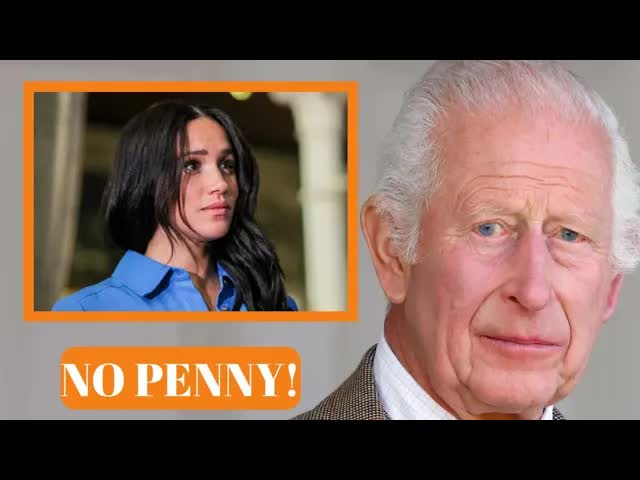
Instead of the supportive response she had hoped for, Meghan was met with an icy rejection that left her in tears, mascara running down her cheeks.
Sources close to the palace have shared that Meghan’s call was not just a casual inquiry; it was a calculated maneuver aimed at securing a financial lifeline from the very institution she had publicly criticized for years.
Despite their Netflix and Spotify ventures, the couple’s financial situation was proving to be less than stable, and the glamorous life they envisioned was becoming increasingly difficult to maintain.
As the conversation began, Meghan reportedly opened with pleasantries, checking on Charles’ health and mentioning family matters to soften the mood.
Yet, when she shifted gears to discuss her financial needs, the atmosphere changed dramatically.
She requested a regular stipend to support their charitable endeavors, framing it as a necessity for keeping the Sussex brand afloat.
Critics were quick to label this request as nothing short of audacious, especially from someone who had distanced herself from royal obligations.
King Charles, however, had no intention of becoming a benefactor.
His response was swift and cutting, making it clear that the royal coffers were not open to her.
“You made your choice, Meghan.
You wanted independence.
Now live with it,” he reportedly told her, his words striking her like a thunderbolt.
The rejection was not just about the money; it carried a deeper implication that she was seen as hypocritical, given her past criticisms of the monarchy.
In an attempt to defend her position, Meghan pointed to the millions she and Harry had brought into the royal family through their global appeal, conveniently ignoring the significant costs they incurred in security and public relations.
She even compared her situation to that of Prince Andrew, who still enjoyed royal privileges despite his scandals.
But Charles, preoccupied with his own challenges, was unmoved.
He remained calm and collected, allowing his silence to underscore the finality of his decision.
After hanging up, Meghan was visibly shaken.
She sank onto her plush velvet sofa, tears streaming down her face, while Harry rushed to comfort her.
Friends later revealed that her humiliation stemmed not only from the rejection itself but also from the way it was delivered—like a beggar seeking scraps.
For someone who had built her identity on defiance and empowerment, this moment felt like a crushing defeat.
The fallout from the call was swift and brutal.
News of the exchange spread rapidly, with the British press eagerly seizing on the story.
Headlines labeled Meghan’s request as desperate and entitled, while commentators dissected her every move.
Social media erupted with memes mocking her situation, highlighting the stark contrast between her previous rhetoric against privilege and her current plea for financial support.
For King Charles, his decision was rooted in principle rather than spite.
He had grown weary of the ongoing Sussex saga and was focused on navigating his own health issues and the evolving monarchy.
Insiders suggested he felt it was time for Harry and Meghan to face the consequences of their choices.
If they sought freedom, they would have to learn to thrive without royal support.
But why did this rejection affect Meghan so profoundly?
To grasp the depth of her reaction, one must look beyond her public persona.
She transformed from a cable TV actress to a global icon and married into royalty, only to walk away from it all.
Her request for an allowance represented more than financial need; it symbolized a longing for validation from the institution she claimed to reject.
With Charles’ refusal, she was forced to confront a harsh reality: without royal backing, she was just another celebrity trying to stay relevant.
In the days following the call, Meghan attempted to regain her footing, posting vague messages about resilience on social media.
Yet, the damage had already been done.
While Harry remained loyal, whispers suggested he was growing weary of being overshadowed by her dramas.
Friends noted that she was pouring herself into her upcoming Netflix series, hoping a hit would silence her critics, but production delays and a lack of buzz raised doubts about her success.
Meanwhile, across the ocean, King Charles continued his royal duties, meeting with veterans and maintaining a steady presence.
He didn’t revel in Meghan’s distress; his point had been made.
As the dust settled, the question lingered: What lies ahead for Meghan Markle?
Will she turn this setback into another tale of victimhood, or will she finally acknowledge the limits of her ambition?
One thing is clear: the tears shed that February day are unlikely to be the last.
In the court of public opinion, and under the watchful eye of a king who is done indulging her, Meghan’s next move could either elevate her or lead to further downfall.