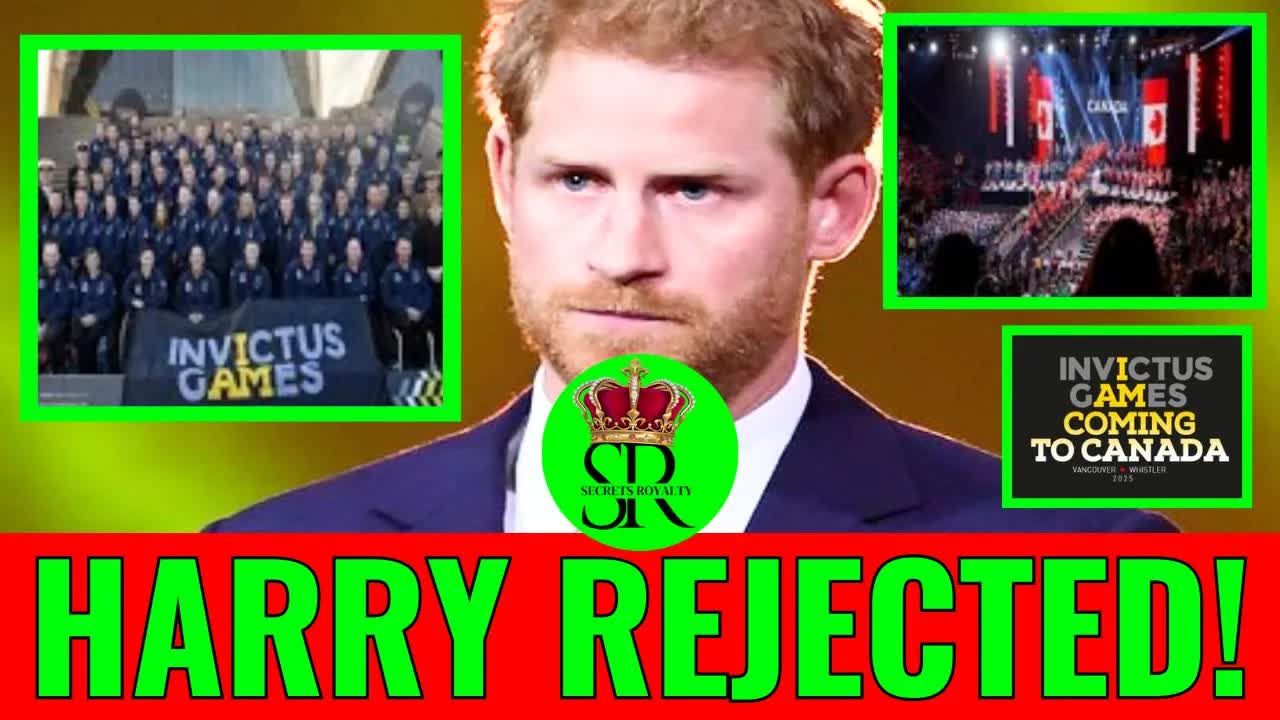
The Invictus Games, once a symbol of hope and resilience for wounded veterans, is facing an unprecedented crisis.
In a shocking development, 1,200 veterans have withdrawn from the upcoming 2025 Games scheduled to be held in Vancouver and Whistler, Canada.
This mass exodus isn’t merely a protest; it’s a powerful statement aimed directly at Prince Harry, who serves as the patron of the Games.
Veterans are not just stepping back; they are calling for Prince Harry to resign from his position.
Many believe that the essence of the Invictus Games has shifted from supporting veterans to serving as a platform for personal branding, particularly for Harry and his wife, Meghan Markle.
Critics argue that the focus has strayed away from the real needs of veterans, turning the event into a spectacle rather than a meaningful experience.
For four years, the Invictus Games were celebrated as a vital lifeline for injured servicemen and women, providing them with a venue to regain their strength, dignity, and confidence.
However, many veterans now feel that this noble mission has been compromised.
Allegations of mismanagement and poor communication have surfaced, suggesting the organization has prioritized celebrity over the well-being of those it was designed to support.
The transformation of the Games into a commercialized media event has raised eyebrows.
One notable voice in this outcry is former Canadian Army Master Corporal David Buchanan, a double amputee and past medalist at the Invictus Games.
He has publicly condemned the Foundation’s leadership for neglecting the veterans’ needs in favor of chasing headlines.
Recently, Prince Harry experienced a mixed reception during a public appearance, met with both cheers and boos.
This stark contrast highlights a growing discontent not only among the military community but also within the general public.
Once viewed as a champion for veterans, Harry’s credibility is now under scrutiny as veterans begin to distance themselves from the very event he helped establish.
In light of the escalating situation, the Invictus Games Foundation finds itself scrambling to manage the fallout.
They have pledged to open lines of communication with veterans, but many perceive this effort as insufficient and belated.
Speculation is mounting about potential leadership changes within the organization, raising questions about whether Prince Harry will step aside or remain at the helm.
The implications of this crisis extend far beyond the 2025 event.
The future of the Invictus Games hangs in the balance.
If veterans continue to withdraw and faith in the Foundation diminishes, the Games could face a long-term decline in participation and support from the public.
As the situation unfolds, one pressing question looms large: Will Prince Harry choose to resign to salvage the event, or will he cling to his role, potentially risking the Games’ very existence?
This predicament transcends mere public relations; it is a struggle for the core identity of the Invictus Games.
Right now, veterans are making their stance abundantly clear.
They refuse to be reduced to mere props in someone else’s narrative.
Their withdrawal sends a strong message about the need to prioritize genuine support for those who have served, over celebrity status and media attention.
The coming weeks will be crucial in determining the path forward for the Invictus Games and the veterans it aims to serve.